
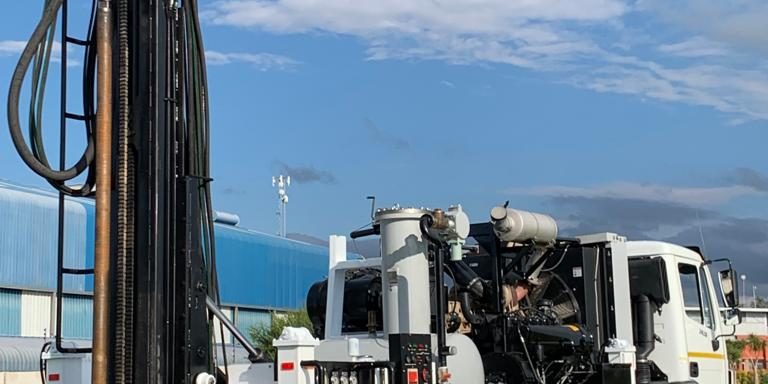
Boreholes are a critical source of water for many households, farms, and industries, especially in areas where surface water resources are limited or unreliable. Boreholes tap into underground aquifers, providing a consistent and often cost-effective source of water. However, like any other system, boreholes require regular maintenance to function optimally and ensure long-term water supply. Without proper care, even the most well-designed and constructed boreholes can experience reduced efficiency, contamination, or even complete failure.
In this post, we will discuss why regular borehole maintenance is essential and explore the importance of inspections, cleaning, and repairs in maintaining a reliable water source. Understanding how to care for a borehole properly can extend its lifespan, improve water quality, and reduce the costs associated with repairs and replacements.
Why Borehole Maintenance is Crucial
Boreholes are designed to provide a stable and sustainable source of water, but several factors can impact their performance over time. The underground environment is dynamic, with natural changes such as shifting water tables, the accumulation of debris, and the growth of minerals inside the borehole. If left unchecked, these issues can cause blockages, decreased water flow, and contamination.
In addition, boreholes are subject to wear and tear from the mechanical systems involved, such as pumps, motors, and valves. Regular maintenance helps ensure that the entire system continues to function efficiently and that potential issues are detected early before they escalate into major problems.
Key Aspects of Borehole Maintenance
There are several essential aspects of borehole maintenance, each of which contributes to the longevity and performance of the system. These include:
-
Regular Inspections
-
Cleaning and Flushing
-
Pump and Motor Maintenance
-
Water Quality Testing
-
Addressing Mechanical Failures
-
Rehabilitation and Repairs
Let’s delve into these in more detail.
1. Regular Inspections: The First Step in Proactive Maintenance
Regular inspections are the foundation of effective borehole maintenance. By performing scheduled check-ups, you can identify early signs of potential problems before they affect the entire system. During an inspection, a trained technician will assess the following:
-
Pump Functionality: The pump is the heart of your borehole system, and a failing pump can result in inadequate water supply or even total failure. Inspections will determine whether the pump is functioning at optimal efficiency or whether it requires adjustments, repairs, or replacements.
-
Casing and Liner Condition: The casing is a crucial component that protects the borehole walls from collapsing and prevents contamination. Inspections will check for any cracks, corrosion, or other signs of damage that may compromise the borehole’s structural integrity.
-
Pressure and Flow Rate: The pressure and flow rate of the water being extracted from the borehole will be measured to ensure they meet required levels. A drop in pressure or flow rate could indicate blockages, mechanical failure, or changes in the water table.
-
Wellhead and Valves: The wellhead is where the pump and other equipment are connected to the surface. Regular inspections ensure that the wellhead is sealed and free from leaks, which can lead to contamination of the water supply.
2. Cleaning and Flushing: Maintaining Optimal Water Flow
Over time, debris, sediment, and minerals can accumulate inside the borehole, affecting the water flow and quality. This buildup can clog the pump and reduce the efficiency of water extraction, leading to higher energy costs and reduced water supply. Regular cleaning and flushing of the borehole are essential to prevent such issues.
-
Borehole Flushing: Flushing involves pumping water at high rates to dislodge sediment and other particles from the borehole walls. This process helps restore the borehole’s flow capacity and prevents blockages that can damage the pump or reduce the water quality.
-
Chemical Cleaning: In cases where mineral buildup (such as calcium or iron) occurs, chemical cleaning may be necessary. Special cleaning agents can be used to dissolve the minerals and remove any scale that may have built up inside the borehole.
Cleaning and flushing should be done at regular intervals or whenever water flow rates begin to drop, indicating a potential buildup of debris or minerals.
3. Pump and Motor Maintenance: Ensuring Efficient Water Extraction
The pump is the most critical piece of equipment in a borehole system, and regular maintenance is essential to ensure it continues to function efficiently. Pumps can experience wear and tear over time, especially if they are used frequently or for extended periods. To maintain your borehole’s performance:
-
Pump Inspection: Regularly inspect the pump for signs of damage, wear, or corrosion. Ensure that the pump is adequately lubricated, and check that all moving parts are functioning smoothly. If any issues are detected, they should be addressed immediately to prevent further damage.
-
Motor Check: The motor driving the pump should also be checked regularly. Ensure that the motor is operating within the correct voltage range and that there are no signs of overheating or electrical faults. This will help extend the motor’s lifespan and prevent costly repairs.
-
Pump Calibration: Sometimes, the pump may need to be calibrated to ensure it is delivering the correct amount of water at the required pressure. This ensures that the system is not overworking or underperforming.
4. Water Quality Testing: Ensuring Safe Water for Consumption
Water quality is one of the most important considerations when it comes to boreholes, especially if the water is used for drinking or agricultural purposes. Over time, boreholes can become contaminated by external pollutants, bacteria, or harmful chemicals. Regular water testing helps ensure that the water extracted from the borehole remains safe and meets the required quality standards.
Water quality tests should include the following:
-
Microbiological Testing: Detects the presence of harmful bacteria or pathogens in the water.
-
Chemical Testing: Checks for chemical contaminants such as nitrates, sulfates, or heavy metals.
-
pH Levels: Measures the acidity or alkalinity of the water, which can affect its suitability for irrigation or consumption.
If water quality issues are detected, corrective actions such as filtration or chemical treatments may be necessary to restore safe water standards.
5. Addressing Mechanical Failures: Timely Repairs and Replacements
Borehole systems are subject to mechanical wear, and issues such as pump failure, electrical malfunctions, or valve damage can occur unexpectedly. Regular maintenance helps identify signs of potential failures early, allowing you to take corrective action before a breakdown occurs.
-
Early Detection: By performing routine inspections and monitoring the system’s performance, small issues can be detected before they escalate into major problems.
-
Repairs and Replacements: If a component is found to be malfunctioning or damaged, it should be repaired or replaced immediately. This helps avoid unnecessary downtime and prevents further damage to the system.
6. Rehabilitation and Repairs: Extending the Life of the Borehole
Over time, even with regular maintenance, boreholes may experience performance issues that require rehabilitation. Rehabilitation involves the repair or restoration of borehole components to ensure continued functionality. This could include replacing worn-out casing, re-drilling the borehole to remove blockages, or upgrading the pump to a more efficient model.
Rehabilitation is often necessary when a borehole has been in use for many years or when it is showing signs of significant wear and tear. It is a cost-effective solution compared to drilling a new borehole, and it can extend the life of your existing system by many years.
Investing in Borehole Maintenance for Long-Term Success
Regular borehole maintenance is crucial to ensuring the longevity, efficiency, and safety of your water supply. By conducting regular inspections, cleaning and flushing the borehole, maintaining pumps and motors, testing water quality, and addressing mechanical failures early, you can prevent costly repairs and ensure a consistent water supply for years to come.
Neglecting maintenance, on the other hand, can result in reduced water flow, contamination, and even the failure of the borehole. It is essential to view borehole maintenance as an ongoing investment that will pay off in the long run by extending the lifespan of the system, ensuring safe water quality, and saving you money on expensive repairs or replacements.
At BGC Water Drilling and Testing, we specialize in providing reliable and professional borehole maintenance services. Whether you need routine inspections, cleaning, repairs, or yield tests, our team is ready to help you maintain a sustainable water supply. Contact us today to schedule your next borehole maintenance service and ensure the longevity of your system.
44 Comments