
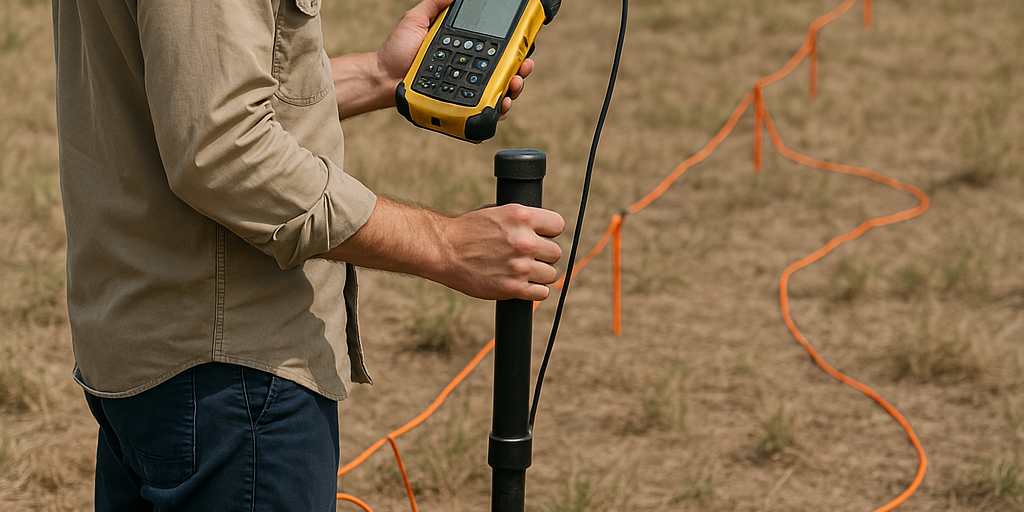
Water is a precious and vital resource, and in many areas, access to reliable water sources requires drilling boreholes or wells. However, drilling for water can be an expensive and time-consuming process, especially if you are unsure of where the best drilling locations are. The wrong choice of location can lead to failed boreholes, wasted resources, and unexpected costs. This is where geophysical surveys come into play.
A geophysical survey uses a variety of scientific techniques to investigate the subsurface of the earth. These surveys help identify the most suitable locations for drilling, allowing project planners to make informed decisions about where to invest resources. By using geophysical surveys, you can significantly reduce drilling risks, improve the accuracy of your drilling efforts, and ultimately save both time and money in your water projects.
In this post, we will explore how geophysical surveys can enhance the efficiency of water drilling projects, reduce the risks associated with water exploration, and help you avoid common pitfalls that can be costly. We’ll also look at the specific methods used in geophysical surveys and explain how they can be integrated into your water project to maximize benefits.
Understanding Geophysical Surveys in the Context of Water Projects
A geophysical survey is an exploration method that uses physical principles—such as electricity, magnetism, gravity, and seismic waves—to gather data about the underground environment. These surveys can provide essential information about subsurface structures, such as the presence of groundwater, the type of soil or rock formations, and the location of potential aquifers.
When it comes to water projects, geophysical surveys are primarily used to:
-
Identify groundwater reserves: Geophysical surveys help to locate the underground aquifers where water is stored.
-
Map underground geology: Surveys provide a detailed understanding of the soil and rock formations, which affect water movement and availability.
-
Determine the depth and thickness of water-bearing layers: This allows for accurate predictions of where the best drilling locations are.
-
Assess the quality of the water: Geophysical surveys can also provide insights into water quality by identifying contaminants or minerals that may be present underground.
Geophysical surveys are often used before drilling begins to gather as much data as possible about the site and its subsurface conditions. This helps water project planners determine the best drilling locations and optimize the design of the water extraction systems.
Key Benefits of Geophysical Surveys in Water Projects
-
Identifying Optimal Drilling Locations
One of the primary advantages of using geophysical surveys in water projects is the ability to identify the most optimal drilling locations. Traditionally, drilling sites are chosen based on surface observations or the experience of the drilling team. However, these methods can be inaccurate, leading to wasted time and money when boreholes fail to yield water or deliver poor water quality.
Geophysical surveys, on the other hand, provide a much more reliable method for identifying where water is likely to be found underground. By analyzing data from the survey, geophysicists can pinpoint areas with the highest likelihood of hitting a productive aquifer, allowing for more targeted drilling. This eliminates the guesswork and reduces the number of trial and error drillings, which ultimately saves time and resources.
Methods such as electrical resistivity tomography (ERT) or ground-penetrating radar (GPR) can help visualize subsurface water bodies, and determine the extent and thickness of aquifers. This means you can drill in the locations most likely to yield water, reducing the need for multiple drill sites and helping to ensure the success of your water project from the outset.
-
Reducing Drilling Risks
Drilling for water, especially in unfamiliar or remote areas, involves inherent risks. Without proper information about the underground geology, drilling can result in dry boreholes, contamination, or equipment damage. Drilling in the wrong location can not only waste time but also incur additional costs in equipment repairs, water treatment, and even legal costs if environmental regulations are violated.
By using geophysical surveys, the risks associated with drilling are greatly reduced. The data collected from a geophysical survey provides an accurate understanding of the subsurface conditions, helping project managers avoid drilling in unsuitable locations. For example, geophysical surveys can help you avoid areas with hard bedrock, non-permeable layers, or contaminated zones, all of which can make drilling more difficult or yield poor-quality water.
Geophysical surveys also help assess the water table level and aquifer characteristics, which are critical for ensuring that the borehole is drilled at the correct depth. By having a clear understanding of these factors before drilling, you can minimize the risk of poor drilling performance, and you won’t waste resources on drilling in areas that are unlikely to produce water.
-
Saving Time and Resources
Time is often a critical factor in water projects, especially when dealing with urgent needs such as providing clean water to communities, agriculture, or industrial operations. Geophysical surveys can drastically reduce the time it takes to complete a water project by helping you locate the best drilling sites quickly and accurately.
With the data provided by a geophysical survey, you can make informed decisions about where to drill, reducing the number of drilling attempts needed. Rather than spending time and resources on drilling in multiple locations, you can focus on areas that are more likely to yield results. This streamlined approach helps ensure that the project stays on schedule and within budget.
Additionally, geophysical surveys help reduce drilling costs by eliminating the need for exploratory or “wildcat” drilling. These surveys provide accurate, actionable data that directs drilling to the optimal location from the start, minimizing unnecessary drilling operations and maximizing the chances of success. This translates to significant cost savings, both in terms of labor and materials.
-
Preventing Costly Errors and Equipment Damage
Another significant advantage of geophysical surveys is their ability to help prevent costly errors that can arise during the drilling process. As mentioned earlier, drilling without sufficient knowledge of the subsurface can result in several costly issues, including equipment damage, water contamination, or the need for costly repairs and re-drilling.
Geophysical surveys help mitigate these risks by providing critical information about the underground environment before drilling begins. For example, if a geophysical survey reveals that a location has a high water table or unstable ground conditions, it can prevent costly equipment failures, such as pump or drill bit breakage, which could otherwise occur if the drilling process continued without this knowledge.
Additionally, knowing the exact geology of the area before drilling helps avoid drilling into problematic layers, such as impermeable rock or zones with high concentrations of dissolved minerals or toxic substances. This helps ensure that the borehole is drilled into an optimal water-bearing zone, reducing the likelihood of water contamination and the associated costs of water treatment.
-
Increasing the Lifespan and Efficiency of Your Water Project
The data provided by geophysical surveys not only helps in selecting the best drilling location but also plays a role in improving the overall design and performance of your water extraction system. Understanding the exact conditions of the subsurface can influence decisions about pump installation, pipe systems, and even water treatment methods.
For example, if a geophysical survey indicates that the aquifer is located at a significant depth, it may be necessary to install a more powerful pump or a different type of filtration system to ensure efficient water extraction. Conversely, if the survey reveals that the aquifer is shallow and easy to access, a more basic system may suffice. This targeted approach to system design helps maximize the lifespan and efficiency of your water project while keeping costs under control.
Moreover, by reducing the chances of drilling failures or mistakes, geophysical surveys contribute to the long-term sustainability of your water source. A borehole drilled in the right location is more likely to produce reliable yields over time, reducing the need for costly repairs or additional drilling efforts down the line.
Methods Used in Geophysical Surveys for Water Projects
Several geophysical survey techniques can be used to gather data about underground water sources. The most commonly employed methods include:
-
Electrical Resistivity Tomography (ERT): ERT is a non-invasive method that measures the electrical resistivity of the soil and rocks beneath the surface. This technique helps identify water-bearing layers and their characteristics. The data collected from an ERT survey can provide a clear picture of the subsurface water conditions, including the depth and size of aquifers.
-
Ground-Penetrating Radar (GPR): GPR is another non-invasive technique that uses radar waves to detect changes in subsurface materials. GPR can be particularly useful for locating shallow aquifers, mapping groundwater flow, and detecting anomalies like cavities or fractures in the rock that may indicate the presence of water.
-
Seismic Refraction and Reflection: These methods use sound waves to determine the properties of the layers beneath the surface. They can help identify the depth of water-bearing strata, as well as any potential hazards like faults or voids that could make drilling more difficult or hazardous.
-
Magnetic and Gravity Surveys: These techniques measure variations in the Earth’s magnetic field or gravitational pull to map subsurface structures. While not as commonly used for water projects as ERT or GPR, magnetic and gravity surveys can provide valuable insights into the general geological makeup of an area.
Geophysical surveys are an essential tool for optimizing water drilling projects. By providing accurate, detailed information about subsurface conditions, these surveys help identify the most optimal drilling locations, reduce the risks associated with drilling, and prevent costly mistakes that can arise during the process. Ultimately, using geophysical surveys to guide water projects leads to significant time and cost savings while improving the efficiency and sustainability of the water source.
At BGC Water Drilling and Testing, we specialize in using advanced geophysical survey techniques to help you identify the best locations for drilling and ensure the success of your water projects. Contact us today to learn how our geophysical survey services can help you save time, money, and resources on your next water project.
32 Comments