
Water is one of the most essential natural resources, and in many regions, boreholes provide a crucial source of fresh water. Boreholes tap into underground water sources, known as aquifers, which are replenished through the infiltration of rainwater and surface water into the ground. However, these aquifers are not static; their water levels fluctuate over time, influenced by a variety of factors, including seasonal changes, weather patterns, and regional conditions. Understanding how the water table fluctuates and how these fluctuations affect borehole performance is essential for maintaining a sustainable water supply.
This post will provide an in-depth overview of water table fluctuations, explore the factors that contribute to these changes, and explain how they impact the performance of boreholes. By the end of this article, you’ll have a clearer understanding of how to monitor and manage your borehole to ensure a reliable and sustainable water source.
What is the Water Table?
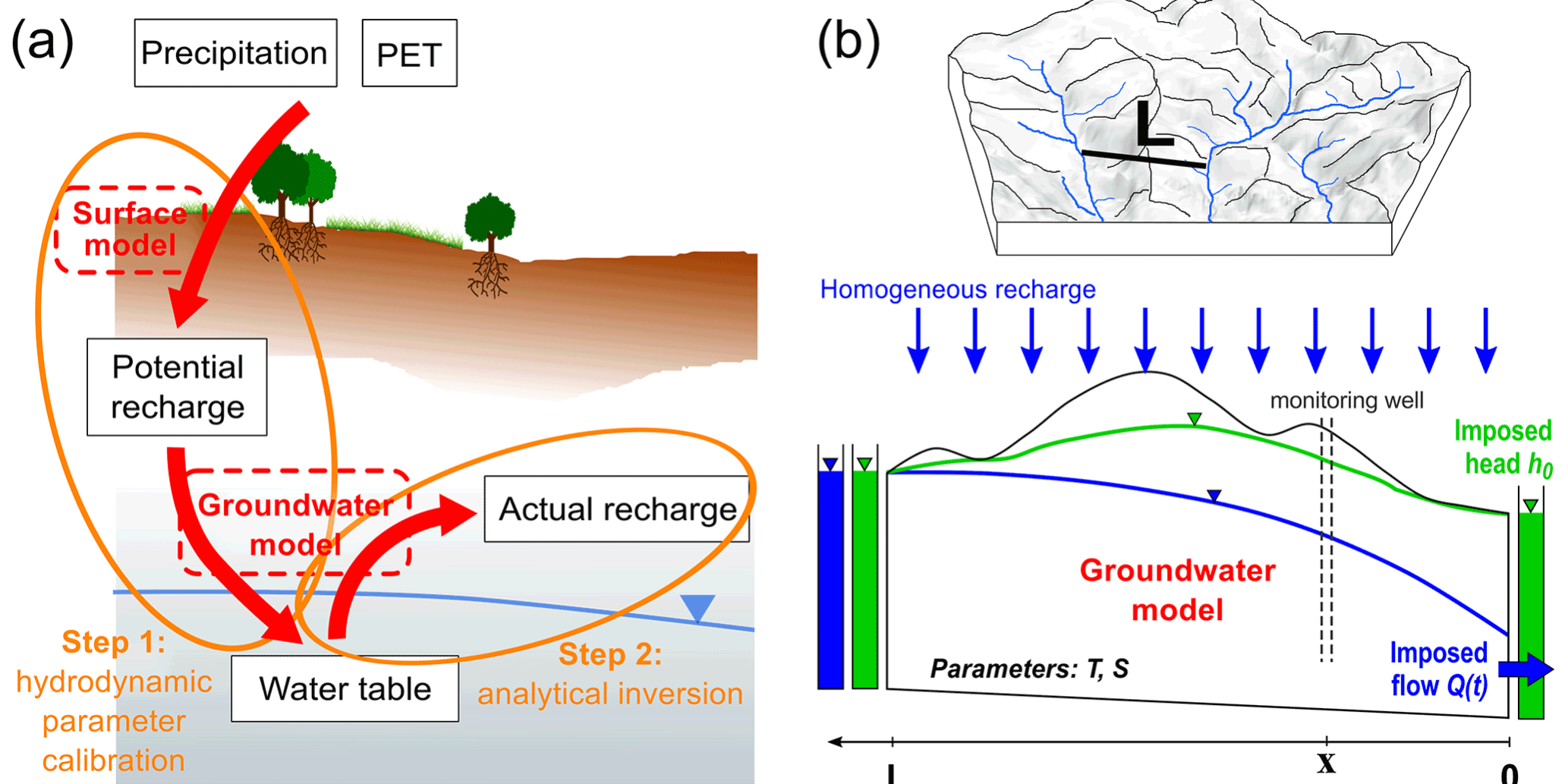
Before diving into the fluctuations, it’s important to understand what the water table is. The water table refers to the upper surface of the saturated zone in the ground, where all the pore spaces in the soil or rock are filled with water. Beneath the water table, the ground is completely saturated with water, while above it, the soil or rock is only partially saturated. This zone of saturation is what boreholes tap into to extract water.
The water table can be deep or shallow, depending on various geological factors, such as the type of soil, rock formations, and the climate of the region. In some areas, the water table is close to the surface, while in others, it may be hundreds of meters below the ground. The level of the water table can change over time, affecting the performance of the borehole that relies on it.
How the Water Table Fluctuates
The water table is not fixed; it fluctuates naturally due to a variety of environmental factors. These fluctuations are largely caused by the balance between the amount of water entering the ground (recharge) and the amount being withdrawn (discharge). Several factors influence this balance:
-
Seasonal Changes: Seasonal changes, especially those related to rainfall patterns, have a significant impact on the water table. In areas where rainfall is seasonal, the water table rises during the wet season and falls during the dry season. The volume of precipitation received during the rainy season directly affects how much water infiltrates the soil and recharges the aquifer. Conversely, during dry months, the water table can drop as the ground loses water through evaporation and extraction from boreholes.
-
Weather Patterns: Weather events such as droughts, storms, or floods can cause dramatic shifts in the water table. Extended periods of dry weather, such as in droughts, can lead to a significant decline in the water table, making it harder for boreholes to yield water. On the other hand, intense storms or flooding can temporarily raise the water table, although the effects of such events may not be long-lasting.
-
Regional Factors: Local and regional environmental conditions play a critical role in water table fluctuations. In areas with extensive irrigation, groundwater extraction, or industrial use, the water table may experience a sustained decline over time. Excessive groundwater pumping for agricultural or industrial purposes can cause what is known as “aquifer depletion”, where the rate of extraction exceeds the rate of recharge, leading to long-term drops in the water table.
-
Land Use and Human Activity: Human activities, such as urbanization, agriculture, and deforestation, can also influence the water table. Urbanization leads to more impervious surfaces like roads and buildings, which prevent water from infiltrating into the ground and recharging the aquifer. On the other hand, over-extraction of groundwater for agricultural irrigation or domestic use can lower the water table, especially if the recharge rate is insufficient to keep up with demand.
Impacts of Water Table Fluctuations on Borehole Performance
Water table fluctuations can have a direct and sometimes significant impact on the performance of boreholes. Understanding these impacts is essential for borehole owners and operators to ensure a consistent and reliable water supply. Here are the main ways in which water table fluctuations can affect borehole performance:
-
Changes in Borehole Yield: The yield of a borehole refers to the amount of water it can produce over a given period. If the water table drops significantly due to drought or over-extraction, the borehole’s yield may decrease. A lower water table means that the borehole is tapping into less water, which can result in reduced flow rates or even a complete stoppage of water supply. On the other hand, if the water table rises due to heavy rainfall or flooding, the borehole yield may increase temporarily, but this increase might not be sustainable in the long term.
-
Borehole Pumping Challenges: Boreholes are typically equipped with pumps that extract water from the aquifer. As the water table fluctuates, the depth to which the pump must operate changes. If the water table falls too low, the pump may struggle to maintain sufficient water levels, leading to pump cavitation, where the pump starts drawing in air instead of water. This can cause significant damage to the pump and reduce its efficiency. In extreme cases, the pump may become completely inoperable if the water table drops below the level of the pump intake.
-
Risk of Borehole Drying Up: If the water table falls below the depth of the borehole’s casing or intake pipe, the borehole may run dry. This is more likely to happen during prolonged dry spells, droughts, or if the borehole is located in an area where over-extraction is occurring. Borehole owners should closely monitor the water table and perform regular yield tests to ensure the borehole remains functional during times of low water availability.
-
Water Quality Issues: Fluctuations in the water table can also affect the quality of the water extracted from the borehole. During periods of low water levels, the water may become more concentrated with contaminants such as salts, minerals, or pollutants, leading to a decline in water quality. In some cases, boreholes that rely on shallow aquifers may experience contamination from surface water during flooding or heavy rainfall. Regular water quality testing is essential to ensure that fluctuations in the water table do not lead to unsafe drinking water.
-
Structural Issues and Borehole Damage: Over time, significant fluctuations in the water table can cause stress on the borehole structure itself. Rapid water level changes can lead to ground shifting, which may cause cracks or damage to the borehole casing or surrounding soil. In some cases, borehole collapse may occur if the water table fluctuates too dramatically. Proper casing design and regular maintenance can help mitigate some of these risks.
Managing Water Table Fluctuations for Borehole Sustainability
While water table fluctuations are inevitable, there are steps that borehole owners can take to mitigate their impact on water supply and ensure long-term sustainability. Here are a few management strategies:
-
Monitor the Water Table Regularly: Keeping track of water table levels is essential for understanding fluctuations and anticipating potential problems. Borehole owners should install water level sensors or use manual measurement techniques to monitor the water table regularly. This will help identify trends and allow for early intervention if the water table begins to decline significantly.
-
Use Sustainable Groundwater Management Practices: Sustainable groundwater management is key to maintaining a reliable water supply. This includes managing water extraction rates to avoid over-extraction, especially in areas where the water table is already low. By adopting efficient water use practices and ensuring that extraction does not exceed recharge rates, borehole owners can help prevent water table depletion and reduce the likelihood of yield loss.
-
Recharge and Artificial Recharge Methods: In areas with low water table levels, artificial recharge techniques such as rainwater harvesting, recharge wells, or infiltration basins can help replenish the aquifer. These methods allow surface water to infiltrate the ground and recharge the water table, ensuring a more sustainable water supply.
-
Optimize Pumping Systems: To avoid damage to the pump and ensure a consistent water supply, borehole owners should optimize their pumping systems. This may include using variable-speed pumps, which adjust the pumping rate based on water availability, or installing multiple pumps at different depths to access water at varying levels in the aquifer.
-
Regular Maintenance and Rehabilitation: Regular borehole maintenance is essential for ensuring that the system can withstand fluctuations in the water table. This includes checking for and repairing any structural damage, cleaning the borehole, and maintaining the pump and associated equipment. In cases where the borehole’s performance has declined due to water table changes, rehabilitation may be necessary to restore its function.
Water table fluctuations are a natural occurrence and a key factor that influences the performance of boreholes. Seasonal changes, weather patterns, regional conditions, and human activities all contribute to the rise and fall of the water table. Understanding these fluctuations and their impact on borehole performance is essential for maintaining a reliable and sustainable water supply.
By monitoring water table levels, adopting sustainable groundwater management practices, and optimizing pumping systems, borehole owners can mitigate the effects of water table fluctuations. Regular maintenance and rehabilitation of boreholes are also crucial to ensuring that they continue to function efficiently, even during times of low water availability.
At BGC Water Drilling and Testing, we specialize in providing comprehensive borehole services, including water level monitoring, yield testing, and maintenance. Contact us today to learn more about how we can help you maintain a reliable and sustainable water supply, regardless of water table fluctuations.
41 Comments